Global markets are grappling with a complex and uneasy reality: a major energy chokepoint remains closed, oil supply is under pressure, and yet certain currencies are unexpectedly strengthening. This combination is creating a landscape marked by uncertainty, volatility, and surprising resilience in unexpected areas.
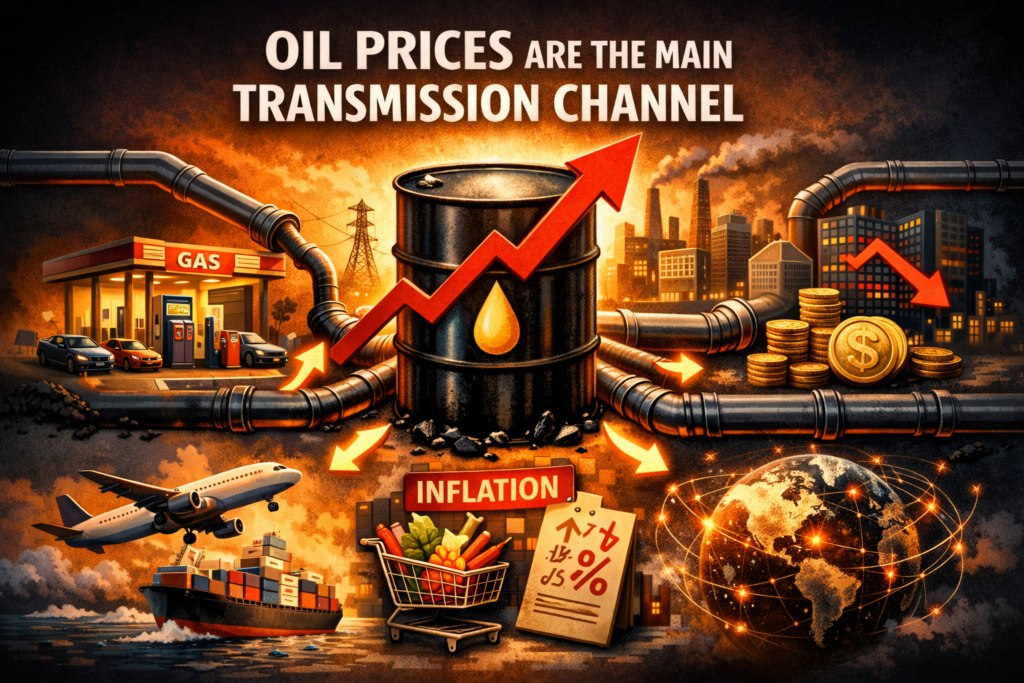
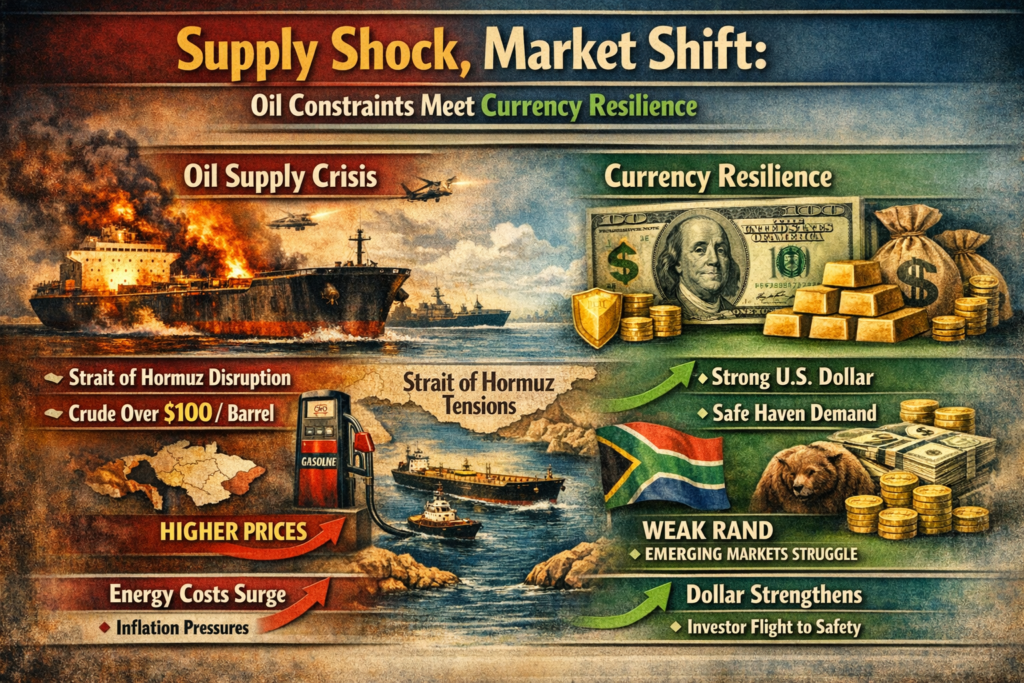
The closure of a key shipping route in the Middle East has significantly disrupted the flow of crude oil. This passage is one of the most important transit corridors for global energy supply, and any interruption has immediate consequences for pricing and availability. With shipments restricted, oil markets have reacted swiftly, pushing prices higher as traders factor in the risk of prolonged supply shortages.
Despite this sharp increase, the broader outlook for oil remains deeply uncertain. The key question is not just how high prices can go, but how long they will stay elevated. Markets are attempting to price in geopolitical risk, but without clarity on how the situation will evolve, forecasts vary widely. Some analysts believe supply constraints could persist, while others expect alternative routes and production adjustments to eventually stabilize the market.
At the same time, high oil prices carry their own consequences. As energy costs rise, demand can begin to weaken. Industries reliant on fuel face higher operating expenses, and consumers may cut back on spending elsewhere. This creates a feedback loop where the very price surge driven by supply constraints could eventually slow global economic activity and dampen demand for oil itself.
Against this backdrop, currency markets are behaving in an unexpectedly different way. High-yield currencies—often associated with emerging markets or commodity-exporting nations—have been strengthening. Traditionally, such currencies struggle during periods of global uncertainty, as investors move toward perceived safe havens. However, current conditions are challenging that pattern.
One explanation lies in interest rate dynamics. With global borrowing costs remaining elevated, investors are seeking better returns, and high-yield currencies offer attractive opportunities. This has revived interest in carry trades, where investors borrow in lower-yield currencies and invest in those offering higher returns. As a result, capital flows have supported currencies that might otherwise have weakened.
Commodity-linked economies are also benefiting directly from higher oil prices. Countries that export energy are seeing improved revenues and stronger trade balances, which in turn support their currencies. This link between oil and currency performance is reinforcing the rebound, even as broader market uncertainty persists.
Another important factor is positioning. Many high-yield currencies had previously been under pressure, with investors heavily positioned for weakness. As the situation stabilized slightly, even without a clear resolution, these positions began to unwind. The resulting buying activity has amplified the rebound, making it appear stronger than fundamentals alone might suggest.
The current environment highlights a growing divergence in global markets. Oil prices are being driven primarily by geopolitical risk and supply disruptions, while currency movements are being shaped by yield differentials, trade flows, and investor behavior. This disconnect makes it more difficult to interpret signals and anticipate future trends.
Looking ahead, much depends on how the supply disruption unfolds. A reopening of the shipping route could quickly ease concerns, bringing oil prices down and potentially reversing gains in commodity-linked currencies. On the other hand, a prolonged closure could entrench higher energy costs, increase inflationary pressures, and complicate monetary policy decisions worldwide.
For investors and policymakers, the challenge lies in navigating this uncertain terrain without overreacting to short-term developments. Markets are likely to remain volatile, with rapid shifts in sentiment driven by geopolitical updates and economic data.
In the meantime, the combination of constrained oil supply and strengthening high-yield currencies serves as a reminder that global markets rarely move in a straight line. Even in the face of significant risk, unexpected pockets of strength can emerge, shaping outcomes in ways that defy conventional expectations.