
Uncategorized

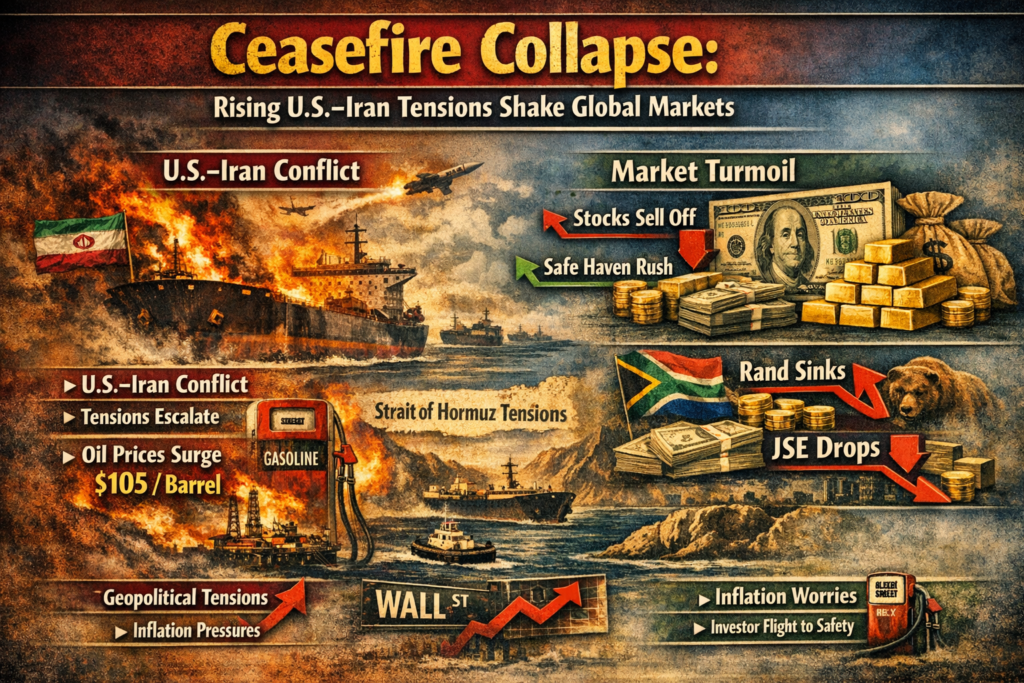
Rising U.S.–Iran Tensions Shake Global Markets: create image

A fragile ceasefire has fractured, and with it, the illusion of stability in global markets. Rising tensions between Iran and the United States have once again thrust geopolitics to the center of financial uncertainty, sending shockwaves through oil, equities, and currencies worldwide. What was meant to be a temporary pause in hostilities has quickly deteriorated […]

Rising U.S.–Iran Tensions Shake Global Markets: create image Read More »

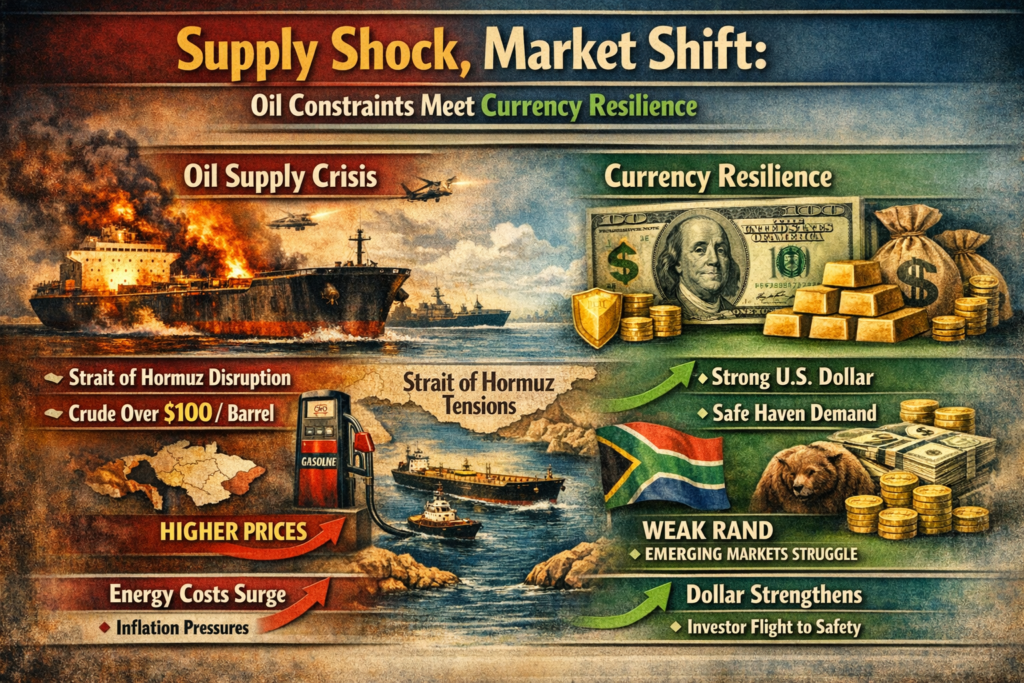
Supply Shock, Market Shift: Oil Constraints Meet Currency Resilience

Global markets are grappling with a complex and uneasy reality: a major energy chokepoint remains closed, oil supply is under pressure, and yet certain currencies are unexpectedly strengthening. This combination is creating a landscape marked by uncertainty, volatility, and surprising resilience in unexpected areas. The closure of a key shipping route in the Middle East

Supply Shock, Market Shift: Oil Constraints Meet Currency Resilience Read More »

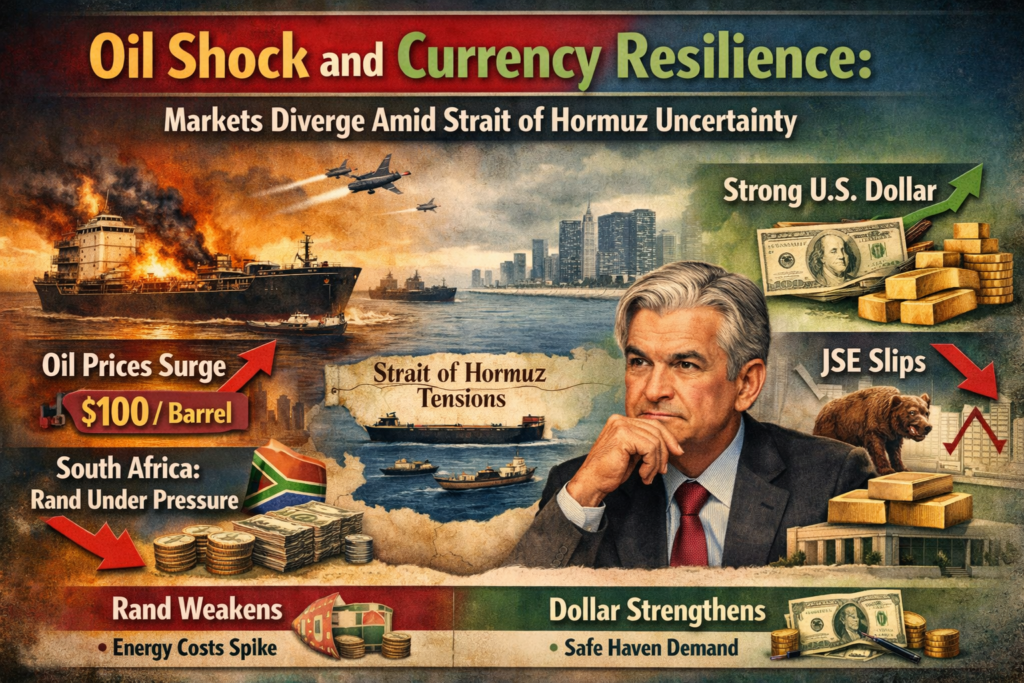
Oil Shock and Currency Resilience: Markets Diverge Amid Strait of Hormuz Uncertaint

Global financial markets are navigating a fragile moment as uncertainty grips the oil outlook following the continued closure of the Strait of Hormuz—one of the world’s most critical energy transit routes. At the same time, a surprising rebound in high-yield currencies is adding another layer of complexity to an already volatile macroeconomic environment. The Strait

Oil Shock and Currency Resilience: Markets Diverge Amid Strait of Hormuz Uncertaint Read More »

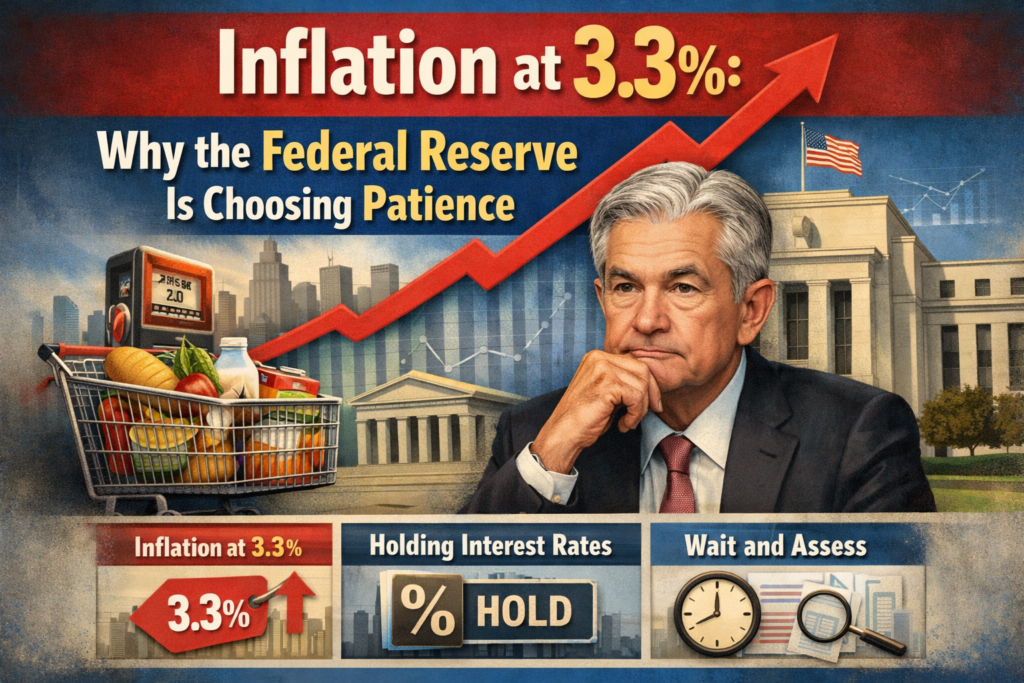
Inflation at 3.3%: Why the Federal Reserve Is Choosing Patience

The latest inflation data showing a 3.3% annual increase has reignited concerns about the direction of the U.S. economy. At first glance, the number appears to confirm what many feared—that inflation is once again heating up after a period of gradual cooling. Yet despite the uptick, the Federal Reserve is not reacting with immediate rate

Inflation at 3.3%: Why the Federal Reserve Is Choosing Patience Read More »

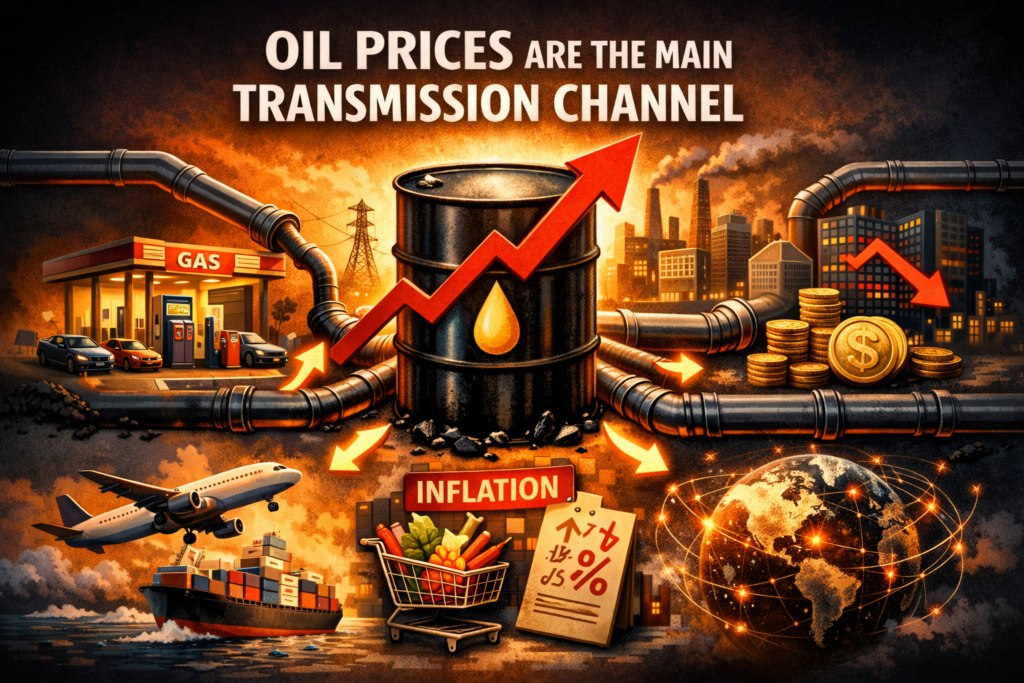
Oil prices are the main transmission channel

The Middle East is central to global oil supply. When tensions rise—say conflicts involving countries like Iran, Saudi Arabia, or disruptions in shipping routes like the Strait of Hormuz—oil prices tend to spike. South Africa imports most of its oil. So: 2. Global risk sentiment (“risk-on / risk-off”) When geopolitical tensions escalate (wars, attacks, instability),

Oil prices are the main transmission channel Read More »

Verified by MonsterInsights