Global financial markets are navigating a fragile moment as uncertainty grips the oil outlook following the continued closure of the Strait of Hormuz—one of the world’s most critical energy transit routes. At the same time, a surprising rebound in high-yield currencies is adding another layer of complexity to an already volatile macroeconomic environment.
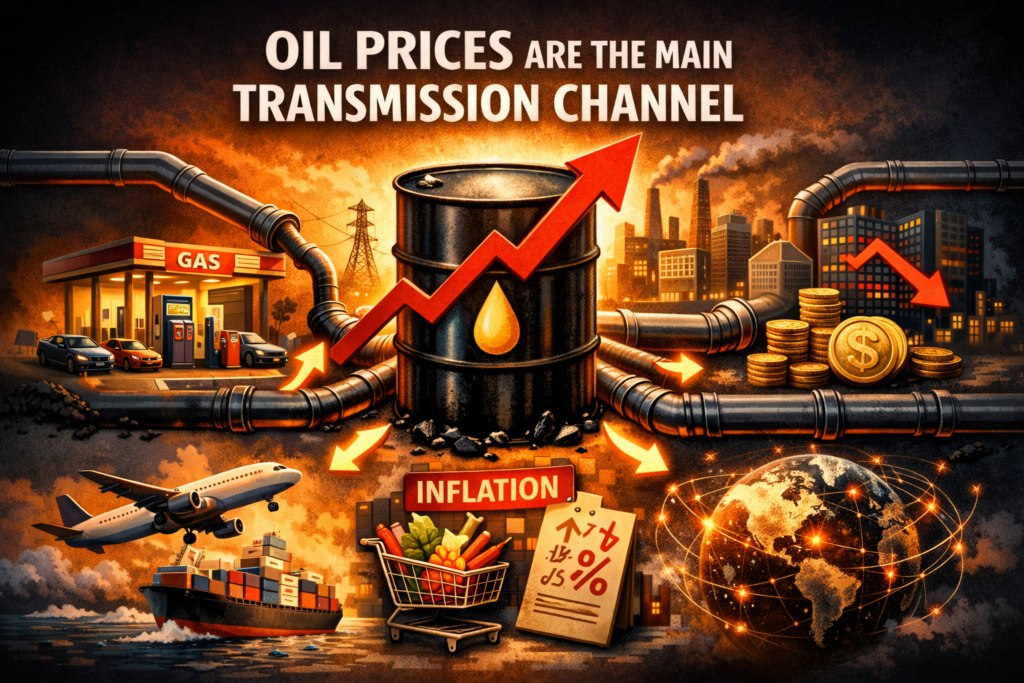
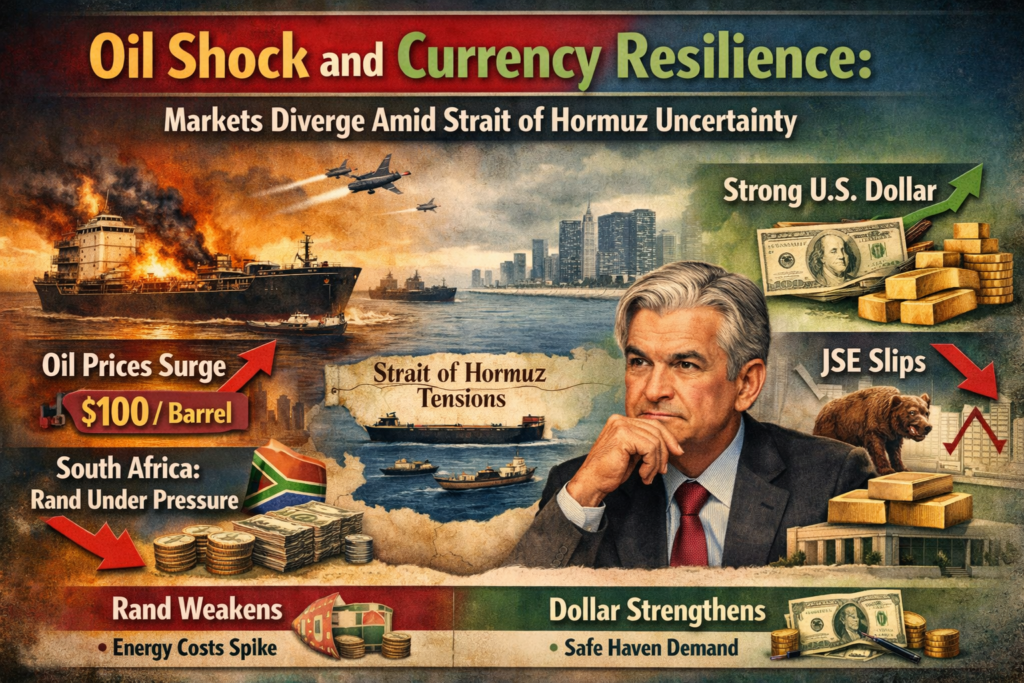
The Strait of Hormuz, a narrow passage connecting the Persian Gulf to global markets, is responsible for transporting roughly a fifth of the world’s oil supply. Any disruption to traffic through this corridor has immediate and far-reaching consequences. With shipments constrained, global oil prices have surged, reflecting fears of prolonged supply shortages. Yet despite the sharp rise, the long-term outlook for oil remains highly uncertain, shaped by geopolitical tensions, potential alternative supply responses, and shifting demand expectations.
At the heart of the uncertainty lies the unpredictability of geopolitical developments. Markets are struggling to price in how long the disruption might last and whether it could escalate further. Energy traders are caught between two competing forces: the immediate supply shock pushing prices higher, and the possibility that sustained high prices could dampen global demand over time. This tension has created unusually high volatility in crude oil markets, with prices reacting sharply to every new headline.
While oil markets wrestle with supply concerns, currency markets are telling a different story. High-yield currencies—often tied to emerging markets or commodity-exporting economies—have staged a notable rebound. Typically, such currencies suffer during periods of global uncertainty, as investors flock to safe-haven assets like the U.S. dollar. However, the current environment is defying that pattern.
One reason for this rebound is the attractive interest rate differentials these currencies offer. With major central banks maintaining relatively high rates, investors are once again engaging in carry trades—borrowing in low-yield currencies to invest in higher-yielding ones. Additionally, countries that benefit from higher commodity prices, particularly oil exporters, are seeing improved trade balances, which supports their currencies.
Another factor at play is market positioning. Prior to the recent rebound, many high-yield currencies had been heavily sold off amid global uncertainty. As conditions stabilized—even slightly—investors began to unwind bearish positions, leading to a sharp recovery. This suggests that the rebound may be as much about technical factors as it is about fundamental strength.
The interplay between oil prices and currency movements highlights a broader theme in today’s markets: divergence. While energy markets are dominated by geopolitical risk and supply disruptions, currency markets are being driven by yield dynamics and investor behavior. This divergence makes it more challenging for policymakers and investors alike to interpret signals and make informed decisions.
Looking ahead, much depends on the resolution of the situation in the Strait of Hormuz. A reopening of the passage could quickly ease supply concerns and bring oil prices down, potentially reversing gains in commodity-linked currencies. Conversely, a prolonged closure could entrench higher energy costs, fueling inflation globally and complicating central bank policy decisions.
In this environment, volatility is likely to remain elevated. Investors will need to stay nimble, balancing short-term risks with long-term opportunities. The current episode serves as a reminder of how interconnected global markets are—where a single chokepoint can ripple through commodities, currencies, and the broader financial system.
For now, the outlook remains uncertain, and markets are left to navigate a landscape where geopolitics and economics are tightly intertwined