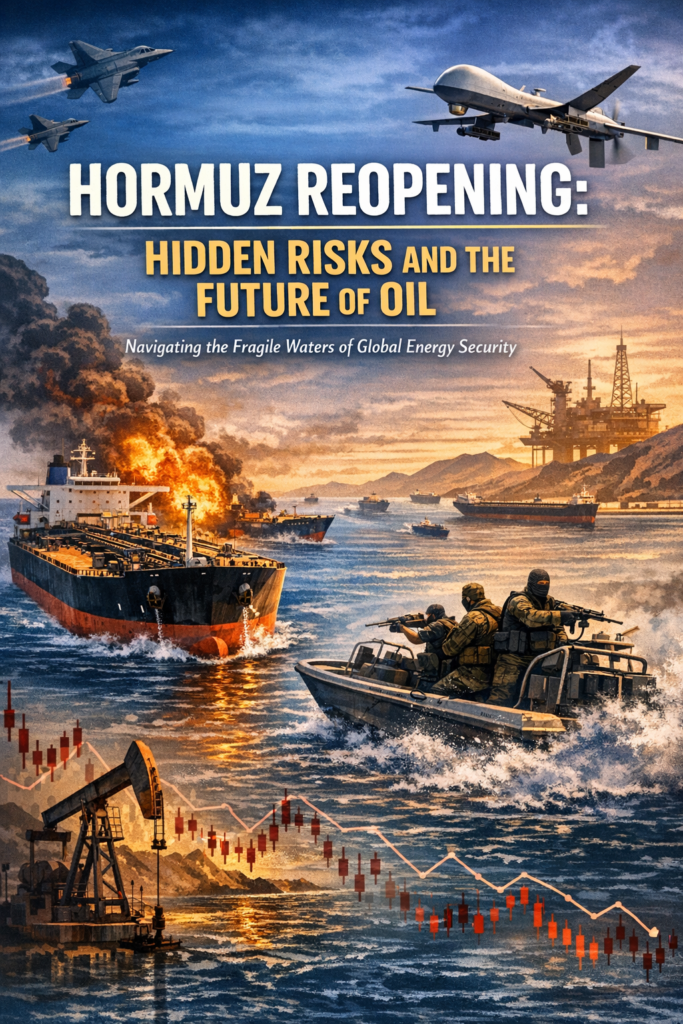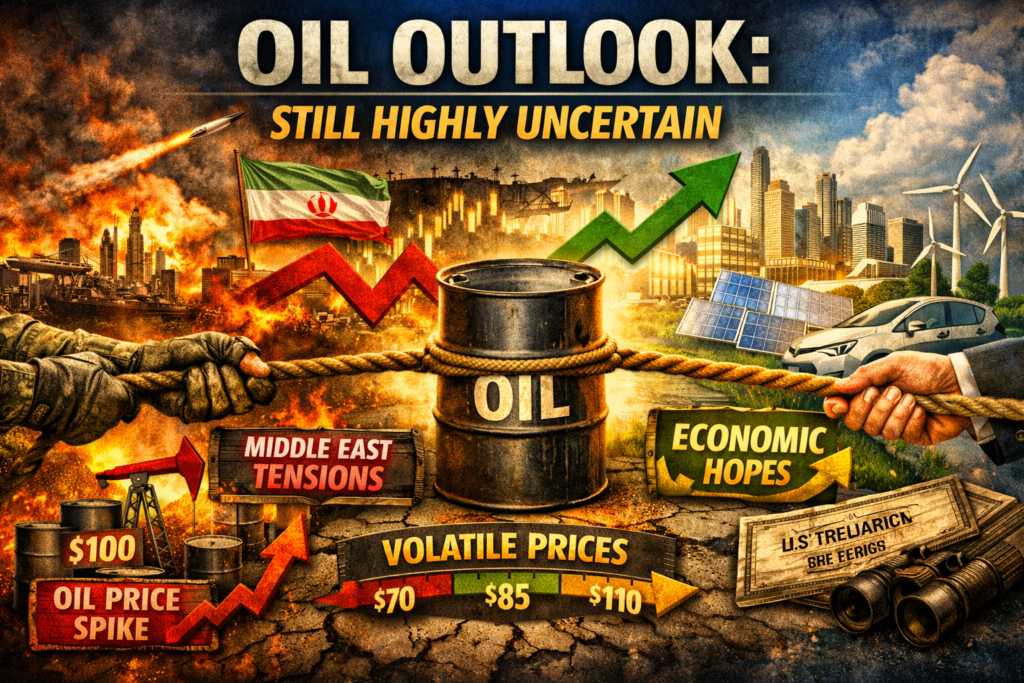
The expiry of a reported “ultimatum” around the Strait of Hormuz is being treated by markets as a binary geopolitical trigger, not just a diplomatic milestone. Even without full clarity on enforcement or outcomes, the perception of risk is what is moving prices.
🛢️ Why the Strait of Hormuz matters so much
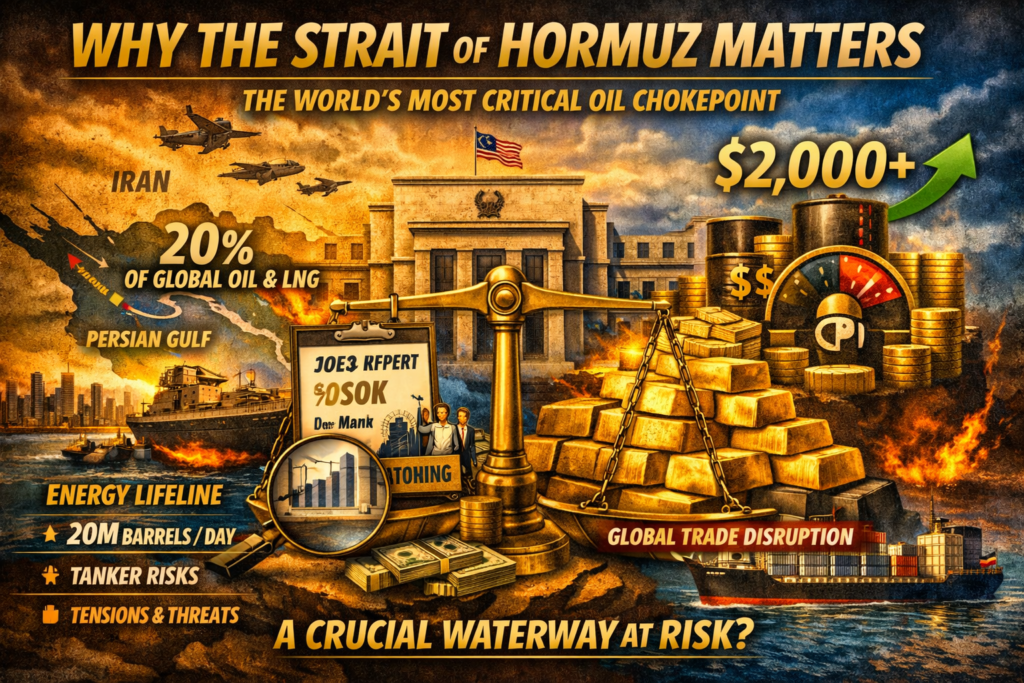
The Strait of Hormuz is one of the most important chokepoints in global energy:
- Roughly 20–25% of global oil shipments pass through it
- It connects major producers in the Gulf to global shipping routes
- Even threats of disruption can move oil prices sharply
So when an “ultimatum” expires, markets immediately reassess:
Is shipping risk falling — or is escalation more likely next?
⚖️ What “expiration of an ultimatum” signals to markets
In geopolitical pricing, deadlines matter less than what comes after them:
🟢 If tensions ease after expiry:
- Oil risk premium drops
- Inflation expectations soften
- USD weakens (less safe-haven demand)
- Risk assets (stocks, EM FX) rally
🔴 If tensions escalate after expiry:
- Oil spikes rapidly
- Inflation expectations rise again
- USD strengthens as safe haven
- Gold often rallies alongside risk-off flows
👉 In short:
The “expiry moment” is not neutral — it forces a repricing of probability.
🛢️ Current market reaction pattern
Based on recent flows:
- Oil has been highly volatile but trending lower on de-escalation hopes
- Gold remains supported as a dual hedge (inflation + geopolitics)
- USD is softening as risk sentiment improves
- FX markets are rotating into risk-sensitive currencies
But importantly:
positioning remains defensive — meaning markets are still hedged for reversal risk
🧠 Why this is a bigger macro trigger than it looks
The Strait of Hormuz situation is influencing three major macro channels:
1. 💵 Inflation expectations
Oil = global inflation anchor
→ lower risk = more room for central bank easing expectations
2. 🏦 Central bank policy expectations
If oil stabilises:
- Fed/ECB pressure eases
- Rate-cut expectations rise
3. 📊 Risk sentiment
Geopolitical easing → equity and FX risk-on rotation
Geopolitical escalation → instant risk-off unwind
📊 Market positioning takeaway
Markets are effectively in a “wait-and-react regime”:
- Not fully pricing peace
- Not fully pricing escalation
- Instead pricing headline-driven volatility
This creates:
sharp intraday swings, weak conviction trends, and fast reversals
📌 Bottom line
The expiry of the Strait of Hormuz ultimatum is less about a specific deadline and more about:
the market reassessing whether the world is moving toward de-escalation (risk-on) or renewed supply risk (risk-off).
Until clarity emerges:
- 🛢️ Oil stays headline-driven
- 💵 USD remains sensitive to risk shifts
- 🥇 Gold stays bid as a geopolitical hedge
- 📊 Markets remain volatile but directionally unstable