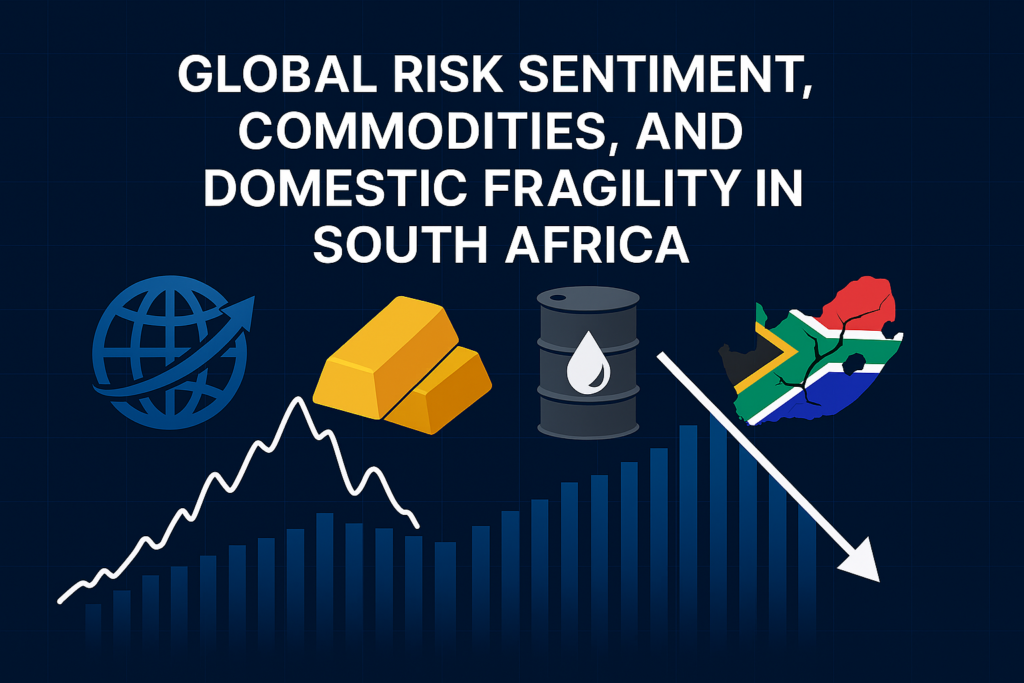
In today’s interconnected financial system, currency movements are rarely driven by domestic factors alone. Few examples illustrate this better than the South African rand, a currency that often reacts sharply to geopolitical developments thousands of miles away.
One of the most influential external forces in 2026? Middle Eastern geopolitics.
A Global Chain Reaction
At first glance, it may seem odd that tensions in the Middle East would significantly impact South Africa’s currency. However, global markets operate as a tightly linked system where shocks in one region ripple across continents almost instantly.
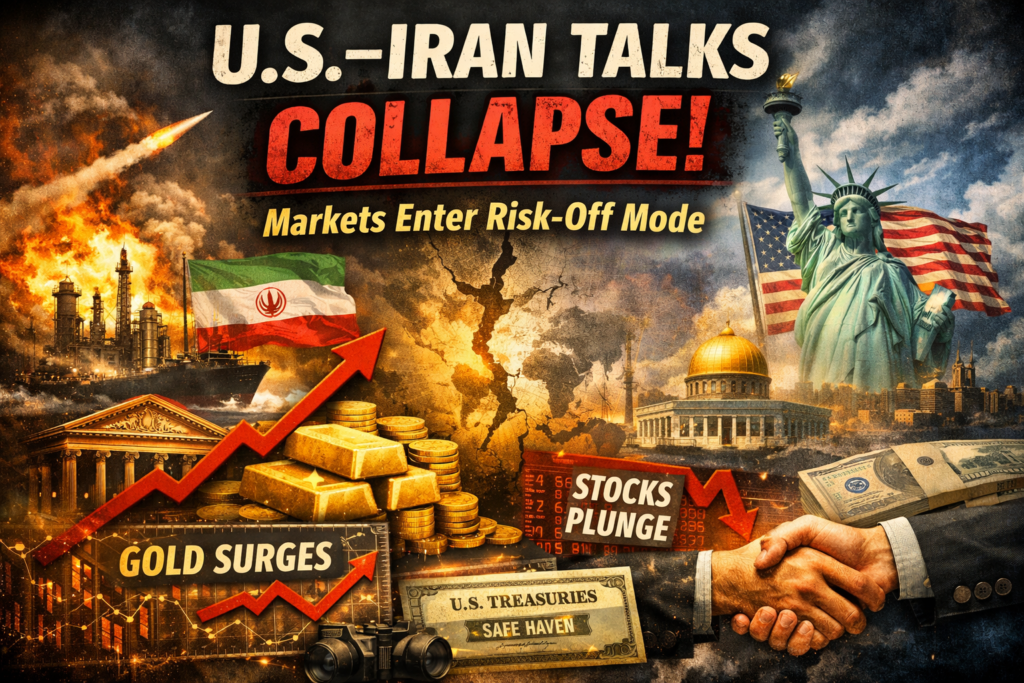
When geopolitical tensions escalate in key areas like the Persian Gulf or involve major oil producers such as Iran, investors begin to anticipate disruptions—particularly in energy supply. These expectations alone can move markets.
Oil Prices: The Critical Link
Oil is the most important transmission mechanism connecting Middle Eastern instability to the rand.
South Africa relies heavily on imported crude oil, which is priced in US Dollar. When tensions rise and oil prices spike:
- Import costs increase
- Demand for dollars rises
- The rand weakens
This creates a direct and immediate pressure point for the currency, even if South Africa itself remains politically stable.
Risk Sentiment and Capital Flight
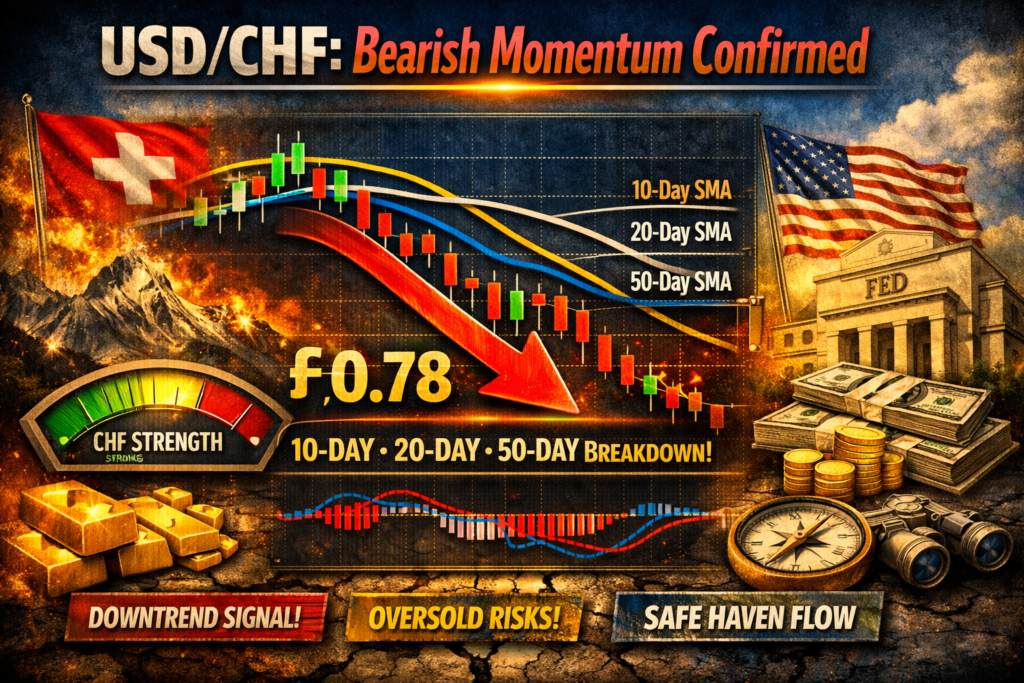
Geopolitical instability tends to trigger a “risk-off” environment in global markets. Investors move capital away from emerging economies and into safer assets such as US government bonds or gold.
Countries like South Africa are particularly vulnerable because they depend on foreign investment inflows. When investors withdraw funds:
- The rand depreciates
- Local markets experience volatility
- Borrowing costs may rise
This dynamic often amplifies currency swings beyond what economic fundamentals alone would justify.
The Rand’s Volatility Problem
The rand is widely regarded as a high-beta currency, meaning it tends to exaggerate global market moves. In periods of uncertainty, it often declines more sharply than its peers.
This characteristic makes it especially sensitive to geopolitical shocks. Even indirect risks—such as shipping disruptions or rising global insurance costs—can trigger outsized reactions in the currency.
Inflation Pressures at Home
Higher oil prices don’t just weaken the rand—they also feed directly into domestic inflation.
As fuel costs rise:
- Transportation becomes more expensive
- Food prices increase
- Consumers feel the squeeze
This puts pressure on the South African Reserve Bank to maintain or raise interest rates, which can slow economic growth and further weigh on the currency.
Trade and Growth Implications
Middle Eastern instability can also disrupt global trade routes and dampen economic activity. For an export-oriented economy like South Africa, this presents additional challenges:
- Reduced demand for commodities
- Lower export revenues
- Increased economic uncertainty
All of these factors contribute to a weaker outlook for the rand.
A Currency at the Mercy of Global Forces
While domestic policy and economic conditions still matter, the reality is that the rand operates within a broader global framework. External shocks—especially those tied to energy markets and investor sentiment—can dominate its trajectory.
Conclusion: More Connected Than Ever
The influence of Middle Eastern geopolitics on the South African rand underscores a broader truth about modern markets: distance no longer limits impact.
From oil price surges to capital flows and inflation pressures, events in the Middle East can quickly shape financial conditions in South Africa. For investors and policymakers alike, understanding these global linkages is no longer optional—it’s essential.
In an interconnected world, the rand’s fate is not just a local story. It’s a global one.