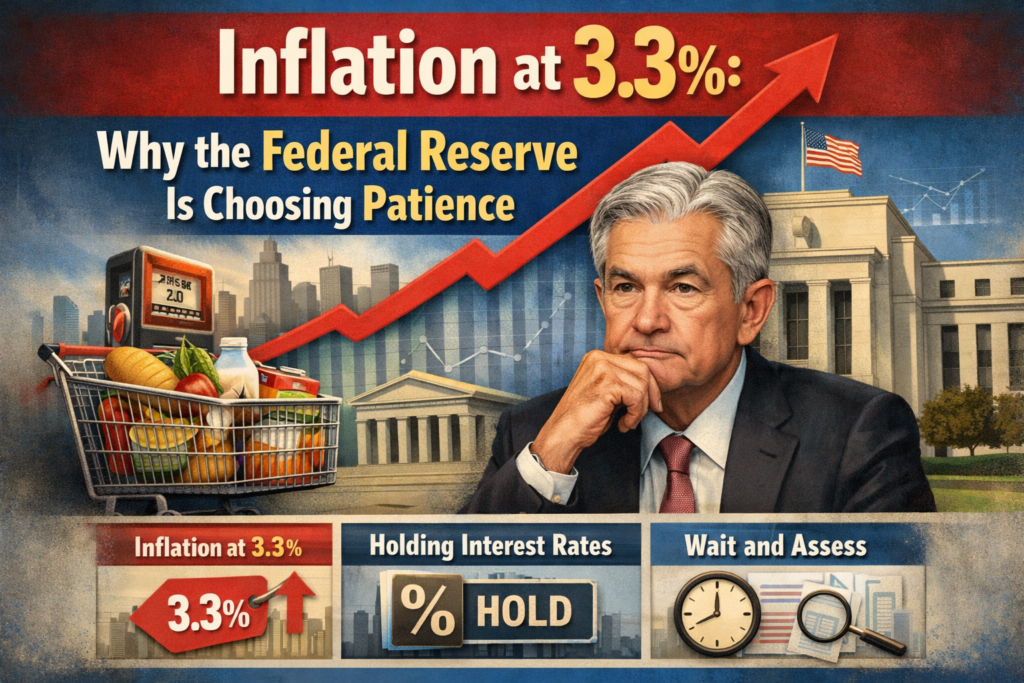
The latest inflation data showing a 3.3% annual increase has reignited concerns about the direction of the U.S. economy. At first glance, the number appears to confirm what many feared—that inflation is once again heating up after a period of gradual cooling. Yet despite the uptick, the Federal Reserve is not reacting with immediate rate hikes or aggressive policy shifts. Instead, it is choosing a more cautious path. Understanding why requires a closer look at the nature of inflation itself and the broader economic landscape.
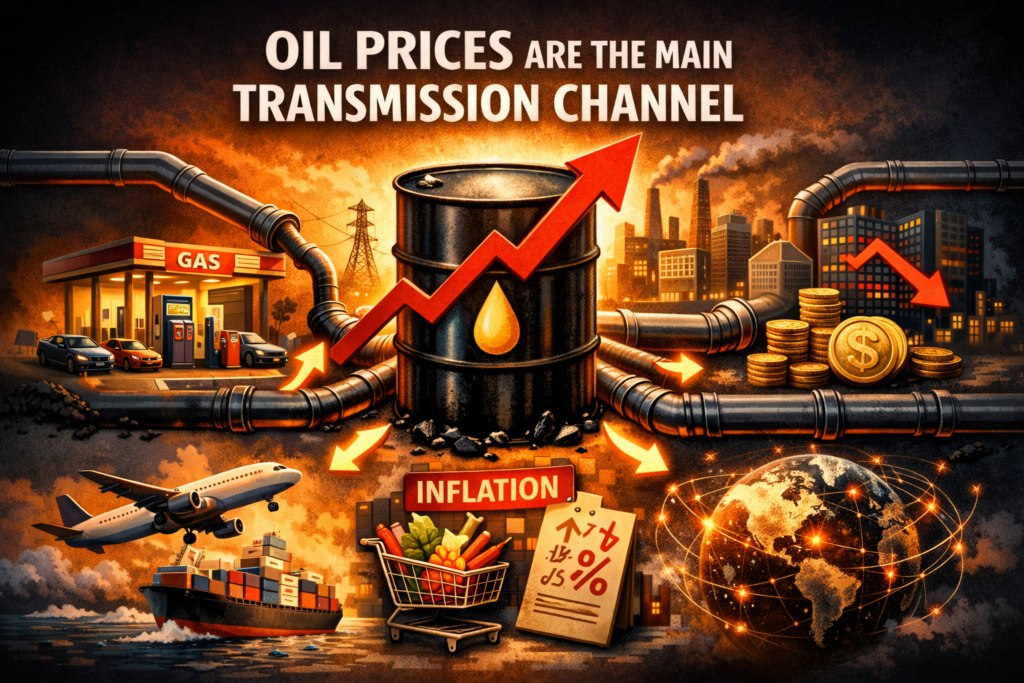
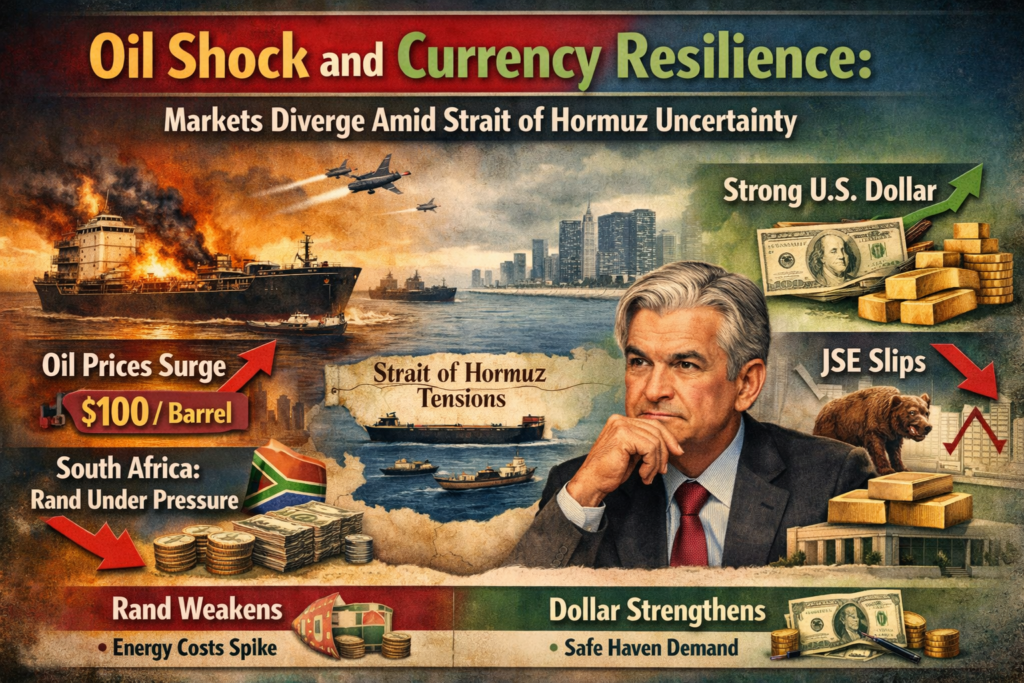
Inflation is not a one-dimensional problem. Not all price increases are created equal, and policymakers must distinguish between temporary shocks and structural imbalances. Much of the recent rise in inflation can be traced back to energy costs, particularly oil and gas. These increases are often tied to geopolitical tensions and supply disruptions rather than underlying demand in the economy. Because of this, the Federal Reserve tends to treat such inflation as temporary. Reacting too aggressively to these short-term fluctuations could do more harm than good, especially if it stifles economic growth.
At the same time, the core inflation rate—which excludes volatile categories like food and energy—remains somewhat lower than the headline figure. This measure is typically more important to central bankers because it reflects longer-term trends in consumer behavior and business pricing. While core inflation is still above the Federal Reserve’s target of around 2%, it has not surged in a way that would demand immediate intervention. This gives policymakers room to observe how conditions evolve before making major decisions.
Another critical factor shaping the Fed’s response is the strength of the labor market. Employment levels remain high, and wages continue to grow at a steady pace. In many ways, this is a positive sign—it suggests the economy is still expanding and that households have the income needed to sustain spending. However, it also complicates the Fed’s task. Cutting interest rates too soon could overheat the economy and drive inflation higher, while raising rates further could risk slowing job creation and economic activity.
This balancing act has led the Federal Reserve into a period of deliberate patience. Rather than rushing into new rate hikes, officials are opting to hold interest rates at their current levels. This strategy allows them to assess whether inflation will naturally ease as supply conditions stabilize and global uncertainties diminish. It also reduces the risk of pushing the economy into a recession by tightening monetary policy too aggressively.
Financial markets are reflecting this cautious outlook. Expectations for immediate rate cuts have been pushed further into the future, with many analysts now predicting that any policy easing will not occur until late in the year—or possibly not at all, depending on how inflation evolves. This shift highlights a growing recognition that the path back to price stability may be longer and more uneven than initially hoped.
Ultimately, the current situation underscores the complexity of managing inflation in a modern economy. The Federal Reserve is not ignoring the rise to 3.3%, but it is also not treating it as a crisis that demands immediate action. Instead, it is navigating a narrow path between controlling inflation and preserving economic growth. The coming months will be crucial in determining whether this measured approach proves successful or whether more decisive action becomes necessary.
For now, the Fed’s message is clear: patience is not inaction—it is strategy.