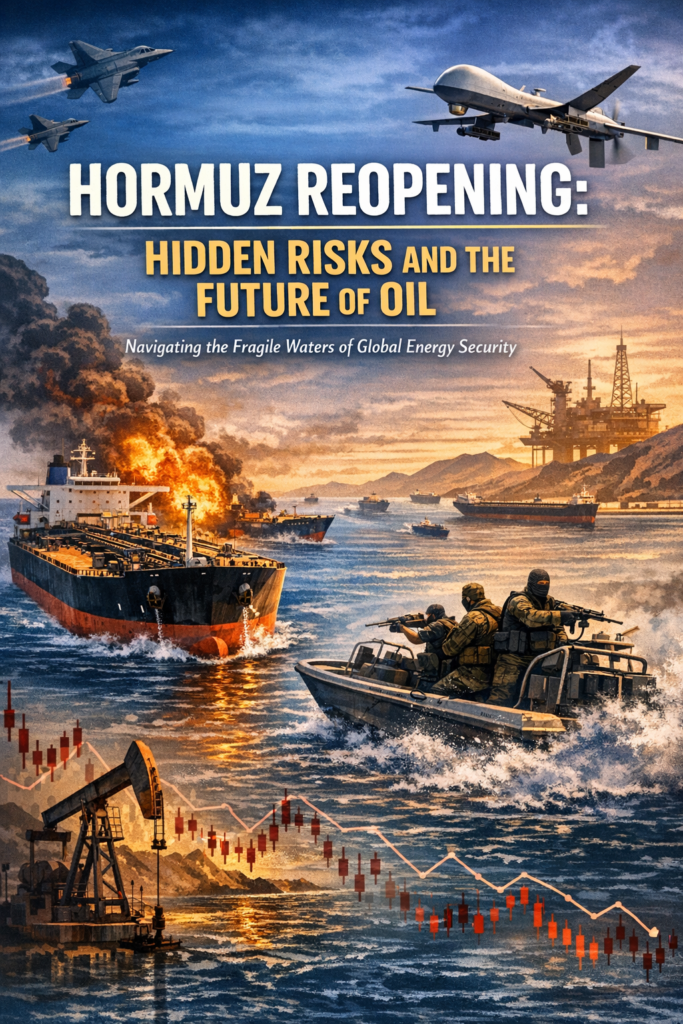
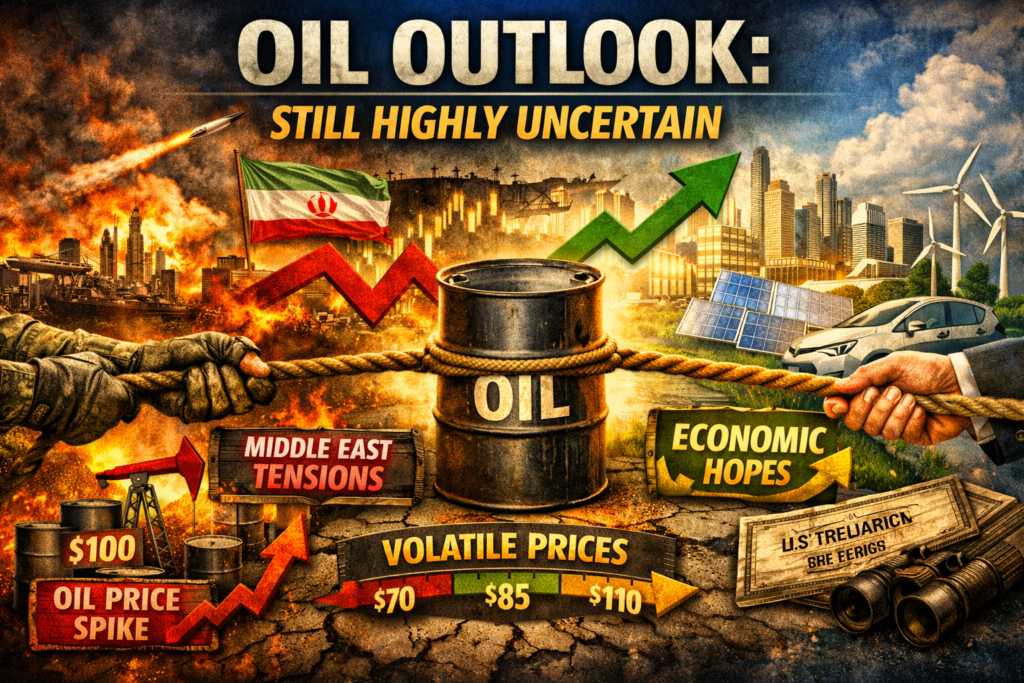
Recent market commentary is highlighting a rare combination of oil uncertainty and a risk-on rebound in emerging and high-yield currencies, driven largely by shifting geopolitics around the Strait of Hormuz.
Markets remain volatile because the Strait of Hormuz situation is not fully stable or normalized:
- Shipping routes have only partially resumed, and traffic remains below pre-crisis levels (Reuters)
- Iran has repeatedly signaled that access could be conditional and reversible, depending on ceasefire and negotiations
- Even after temporary reopenings, analysts note flows are not back to pre-disruption capacity (Wikipedia)
What this means for oil prices
- Prices have swung sharply: double-digit drops after reopening signals, followed by rebounds on renewed uncertainty (euronews)
- The market is effectively pricing a “fragile supply discount” rather than a stable recovery
- Analysts still warn that any renewed disruption could quickly push Brent back toward higher psychological levels (near $90–$100+ zones depending on escalation)
👉 In short:
Oil is behaving less like a normal supply/demand market and more like a geopolitical risk instrument
💱 High-yield currencies: why they’re rebounding
At the same time, risk-sensitive currencies are recovering, including typical high-yield / carry trade beneficiaries.
What’s driving the rebound:
- Oil easing reduces global inflation pressure, improving risk appetite
- Lower oil = lower immediate pressure on import-heavy economies
- Markets are pricing in a temporary de-escalation in Middle East risk
- Investors rotate back into higher-beta, yield-supported FX trades
Typical beneficiaries include:
- Emerging market FX (commodity-linked economies)
- High-yield carry currencies (where rate differentials remain attractive)
- Risk-on proxies tied to equity inflows
⚖️ The key contradiction in markets right now
This is the core tension:
- 🛢️ Oil market = fragile, geopolitically sensitive, still at risk of supply shocks
- 💱 FX market = pricing in easing tension and liquidity returning to risk assets
So you’re seeing:
Oil behaving like a crisis asset
FX behaving like a recovery asset
Both can’t be “fully right” at the same time — which is why volatility remains elevated.
📌 Bottom line
- The oil outlook is not settled — it’s a geopolitical “ceasefire discount,” not a structural resolution
- High-yield currencies are rebounding on temporary risk-on sentiment + lower oil-driven inflation fears
- The biggest market driver ahead is whether the Strait of Hormuz situation de-escalates permanently or flips back into disruption