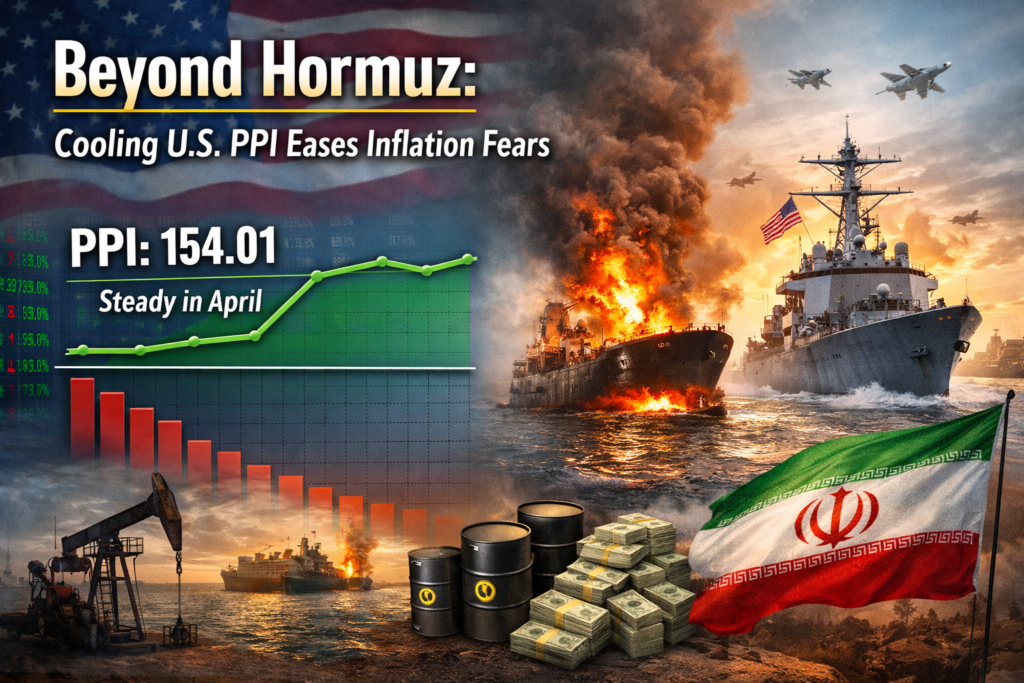

Global financial markets are showing a familiar pattern: optimism on headlines, caution in fundamentals. Recent signals of de-escalation between the United States and Iran have sparked a rally in equities and a pullback in oil prices—but beneath the surface, risks remain elevated.
Hopes of easing tensions—particularly around the reopening of the Strait of Hormuz, a critical artery for global oil—have triggered a “risk-on” sentiment across markets.
- Oil prices dropped sharply after diplomatic signals and ceasefire discussions (FinancialContent)
- Global equities rallied as recession fears eased and supply disruption risks declined (Forbes)
- Investors began pricing in lower geopolitical risk premiums
Iran’s announcement that the strait is “open” helped calm markets, reinforcing expectations of stabilizing energy flows (The Guardian)
But the Peace Is Fragile
The optimism rests on shaky ground.
- The situation remains highly conditional and reversible
- Military posturing and sanctions enforcement continue
- Conflicting statements from both sides highlight uncertainty
Even as markets rally, experts warn that the underlying conflict dynamics have not been resolved. (The Washington Post)
In fact:
- The U.S. is reportedly preparing actions against Iranian-linked oil shipments (New York Post)
- Iran has warned that the Strait of Hormuz could be disrupted again
This creates a classic market disconnect: prices reflect hope, not reality.
Oil Volatility: The Real Signal
Oil markets are sending a very different message from equities.
- Prices have swung sharply—rising above $100 during peak tensions, then falling rapidly on peace headlines
- Around 13 million barrels/day of supply has been impacted by the conflict (Invezz)
- Supply chains, infrastructure, and shipping routes remain under stress
Even after price drops, analysts emphasize:
A short-term ceasefire does not fix structural supply constraints. (ICIS Explore)
This volatility reflects a deeper truth:
👉 The risk premium in oil is not gone—it’s just being repriced.
Why Markets May Be Misreading the Situation
There are three key reasons why current market optimism may be premature:
1. Temporary Ceasefire ≠ Lasting Peace
Ceasefires reduce immediate risk but do not resolve:
- Nuclear tensions
- Sanctions disputes
- Regional power struggles
2. Infrastructure Damage Takes Time
Even if peace holds:
- Oil facilities and logistics networks take months (or years) to normalize
- Supply disruptions don’t instantly reverse
3. Geopolitical Risk Is Now Structural
Energy markets have absorbed a permanent geopolitical premium:
- Investors now price in recurring disruptions
- Future flare-ups are expected, not exceptional
The Bigger Picture: A Market at a Crossroads
Right now, two narratives are competing:
Bullish Case (Markets Today):
- Peace talks progress
- Oil supply stabilizes
- Inflation pressures ease
- Equities continue rising
Bearish Reality (Oil Signals):
- Conflict risk remains unresolved
- Supply disruptions persist
- Volatility stays elevated
- Inflation risk could return quickly
Conclusion
Markets are celebrating the possibility of peace—but oil is pricing the probability of continued disruption.
That divergence matters.
As long as tensions between the U.S. and Iran remain unresolved, volatility—not stability—will define the energy market. And if oil spikes again, today’s equity rally could quickly reverse.
Strategic Takeaway
- Treat the rally as fragile, not foundational
- Watch oil—not headlines—for the real signal
- Expect continued volatility across commodities, currencies, and equities