Introduction
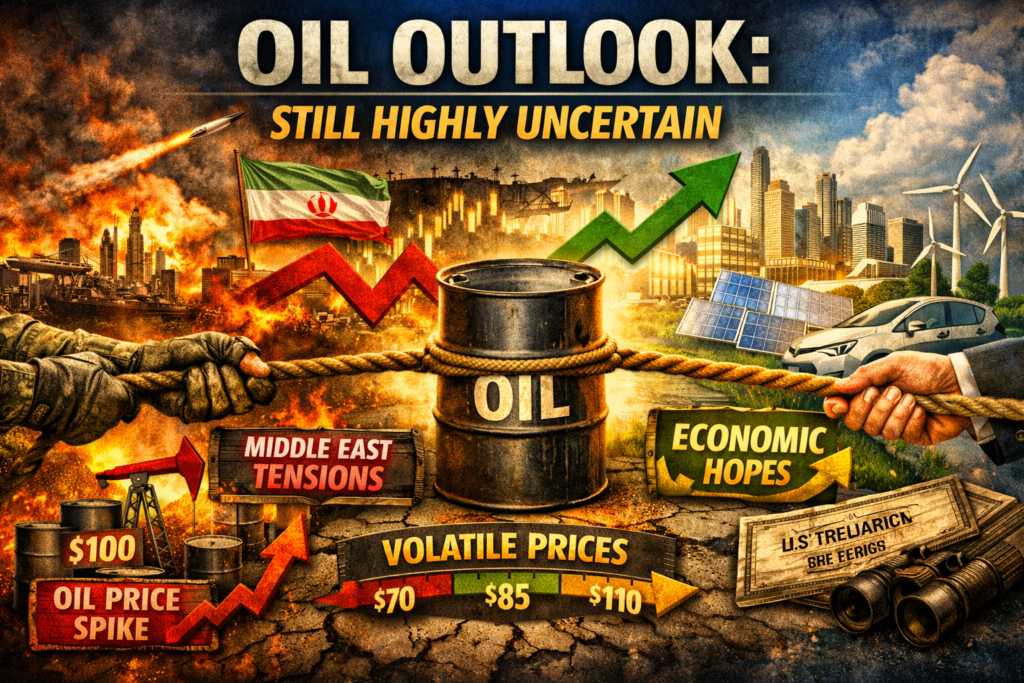
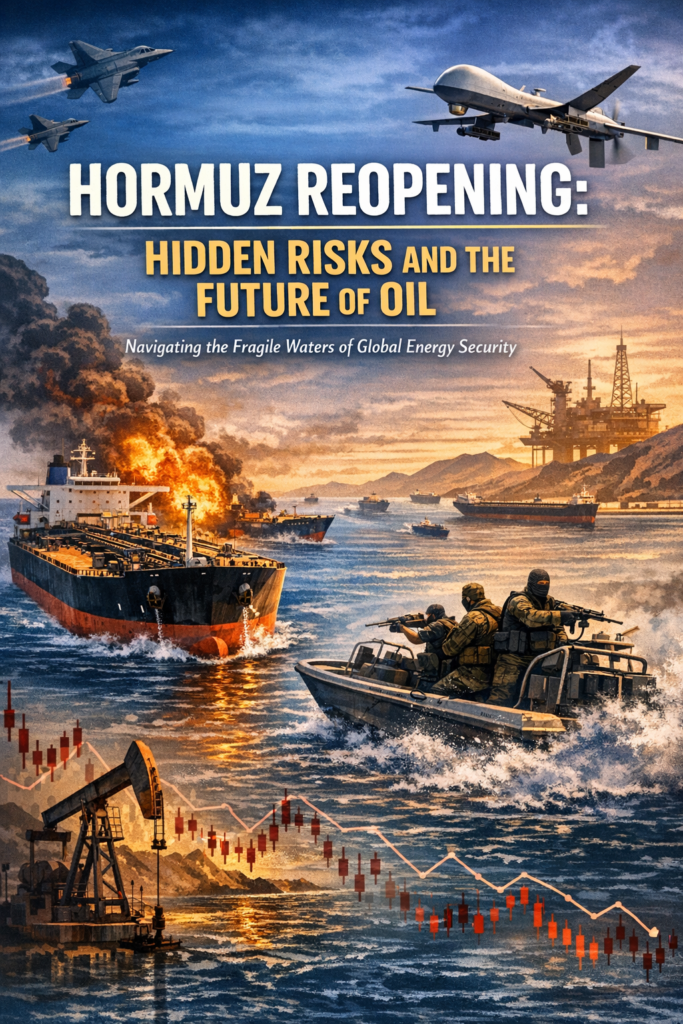
The Strait of Hormuz, one of the world’s most critical maritime chokepoints, has reopened after recent disruptions. While this development brings temporary relief to global energy markets, the underlying risks remain deeply embedded. From maritime security threats to economic fragility in oil-importing nations, the reopening underscores both the importance and vulnerability of this narrow passage.
—
Strategic Importance of the Strait of Hormuz
- Carries ~25% of global seaborne oil trade (about 20 million barrels per day).
- Serves as the primary export route for Saudi Arabia, UAE, Kuwait, and Iraq.
- Any disruption immediately impacts global oil prices, shipping costs, and energy security.
—
Hidden Risks After Reopening
1. Maritime Security
- Tanker attacks, drone strikes, and GPS interference remain persistent threats.
- Insurance premiums for vessels transiting Hormuz are expected to stay elevated.
2. Legal & Contractual Disputes
- Companies may invoke force majeure clauses due to operational uncertainty.
- Energy infrastructure projects tied to Gulf exports risk delays and litigation.
3. Economic Fragility
- Developing countries face higher import costs, weaker currencies, and rising debt burdens.
- Oil-importing nations such as South Africa remain vulnerable to inflationary shocks if instability resumes.
Strategic Implications
- Exporters: Reopening provides breathing room, but reliance on Hormuz remains a structural vulnerability.
- Importers (e.g., South Africa): Expect continued price volatility; hedging strategies and supplier diversification are critical.
- Global Energy Transition: Each disruption underscores the urgency of renewables and alternative supply chains.
—
Conclusion
The reopening of the Strait of Hormuz is not the end of uncertainty—it is a reminder of the fragility of global energy security. The future of oil will be shaped less by supply recovery and more by how nations manage risk, diversify energy sources, and accelerate the transition away from oil dependency.